
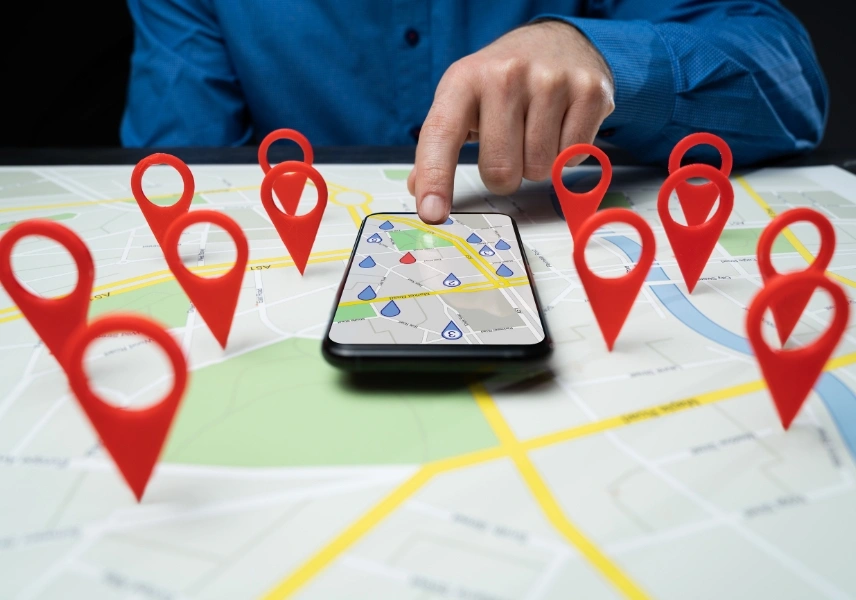
When people need a nearby restaurant, dentist, lawyer, repair service, school, or marketing agency, they usually begin their search online. They may type phrases such as “best restaurant near me,” “SEO agency in [City],” or “local electrician nearby.”
Local SEO helps businesses appear in these location-based search results.
For small and medium-sized businesses, local SEO can be one of the most effective ways to increase visibility, attract qualified customers, and compete with larger companies. Unlike traditional advertising, local SEO focuses on reaching people who are already searching for a product or service in a specific area.
In this guide, we explain what local SEO is, why it matters, and how businesses can use it to attract more local customers.
What Is Local SEO?
Local SEO is the process of improving a business’s online visibility for searches connected to a specific city, region, or service area.
It helps search engines understand:
- What the business offers
- Where the business is located
- Which areas it serves
- Whether the business is relevant to a local search
- How trustworthy and established the business appears
Local SEO can help a company appear in standard Google search results, Google Maps, and the local results section commonly displayed for location-based searches.
For example, when someone searches for “web design agency near me,” Google may show a map with several nearby businesses, their ratings, opening hours, contact details, and website links.
A strong local SEO strategy increases the likelihood that your business will appear in these results.
Why Local SEO Matters for Small Businesses
Local customers often search with a clear intention to take action. They may want to call a business, visit a location, request a quote, make a reservation, or purchase a service.
This makes local search traffic especially valuable.
A person searching for “emergency plumber in Palo Alto” is not simply looking for general information. They are likely searching for immediate help.
Local SEO helps businesses connect with these potential customers at the right moment.
It can also help smaller businesses compete more effectively. A local company may not be able to compete with a national brand for broad keywords, but it can achieve strong visibility for relevant searches within its own city or service area.
Optimise Your Google Business Profile
A Google Business Profile is one of the most important elements of local SEO.
It allows businesses to manage how they appear in Google Search and Google Maps. A complete and accurate profile can provide potential customers with important information before they even visit the website.
Your profile should include:
- Correct business name
- Address or service area
- Phone number
- Website
- Opening hours
- Business category
- Services
- Business description
- High-quality photos
- Customer reviews
- Regular updates
All information should remain accurate and consistent.
Businesses should also choose the most relevant primary category. This helps Google understand the main type of service being offered.
For example, a business should select a specific category such as “Digital Marketing Agency” rather than using a broad category that does not clearly describe its services.
Use Consistent Business Information
Your business name, address, and phone number should be consistent across your website, Google Business Profile, social media accounts, directories, and other online platforms.
Inconsistent information can confuse both search engines and customers.
For example, using different phone numbers or business names across multiple platforms may reduce trust and make it more difficult for Google to verify the business.
Companies should regularly review their online listings and correct outdated or inaccurate details.
This is especially important after moving to a new address, changing a phone number, or updating business hours.
Target Local Keywords
Keyword research is an essential part of local SEO.
Businesses should identify the phrases customers use when searching for their services.
Local keywords often combine a service with a location, such as:
- SEO agency in [your city]
- Web design company in [your city]
- Restaurant marketing in [your city]
- Social media management in [your city]
- Local IT consultant near me
These keywords can be used naturally within service pages, page titles, headings, meta descriptions, and blog content.
However, businesses should avoid repeating location names unnaturally. The content should remain useful and easy to read.
The goal is to show both customers and search engines that the business offers a specific service in a specific area.
Create Location-Specific Service Pages
Businesses serving multiple cities or regions can benefit from creating dedicated location pages.
For example, a digital marketing agency may create separate pages for:
Digital marketing services in “City X”
SEO services in “City Y”
Web design services in “City Z”
Each page should contain unique and useful content.
Simply changing the city name while keeping the rest of the page identical is not an effective strategy. Search engines prefer pages that provide real value and clearly explain how the business serves customers in that location.
A strong location page may include local service information, relevant case studies, customer testimonials, frequently asked questions, and details about the area.
Collect and Manage Customer Reviews
Customer reviews are extremely important for local businesses.
Positive reviews can improve trust, influence purchasing decisions, and strengthen local visibility.
Many customers compare ratings and reviews before contacting a business. A company with detailed, recent, and positive reviews may appear more reliable than a competitor with little customer feedback.
Businesses should encourage satisfied customers to leave honest reviews.
They should also respond professionally to both positive and negative feedback.
A thoughtful response shows that the company values customer experience and takes feedback seriously.
Businesses should never purchase fake reviews. This can damage trust and may violate platform policies.
Improve Your Website for Local Search
Your website should clearly explain where your business operates and which areas it serves.
Important local SEO elements are:
- Location details on the contact page
- Service areas
- Local keywords
- Mobile-friendly design
- Fast loading times
- Clear contact information
- Clickable phone numbers
- Directions or map integration
- Dedicated service pages
- Local business schema markup
Schema markup is structured data that helps search engines better understand information on a website.
Local business schema can provide details such as the business name, location, phone number, opening hours, and service type.
Although schema alone will not guarantee higher rankings, it can support a stronger technical SEO structure.
Build Local Links and Partnerships
Links from relevant local websites can strengthen local SEO.
Businesses may earn links through:
- Local business directories
- Chambers of commerce
- Professional associations
- Community organisations
- Local sponsorships
- Partnerships
- Local newspapers
- Guest articles
- Industry websites
The quality and relevance of a link are more important than the total number of links.
A link from a trusted local organisation is generally more valuable than multiple links from unrelated or low-quality websites.
Local partnerships can also support brand awareness and generate direct referrals.
Track Local SEO Performance
Local SEO should be measured regularly.
You should track the following Important metrics:
- Google Business Profile views
- Website clicks
- Phone calls
- Direction requests
- Local keyword rankings
- Contact form submissions
Businesses should also track which services and locations generate the most valuable leads.
This information can be used to improve content, service pages, and marketing priorities.
Conclusion
Local SEO helps businesses become more visible to people searching for products and services in their area.
A successful local SEO strategy includes an optimised Google Business Profile, consistent business information, local keyword research, location-specific content, customer reviews, mobile optimisation, technical SEO, and relevant local links.
For small and medium-sized businesses, local SEO can generate highly targeted traffic and connect the company with customers who are ready to take action.
At Vectora Digital, we help businesses strengthen their local presence through Google Business Profile optimisation, local keyword research, website optimisation, content creation, technical SEO, and location-focused strategies.
Our goal is not only to improve rankings but to help businesses attract more relevant local customers, generate qualified enquiries, and build long-term visibility in their target market.